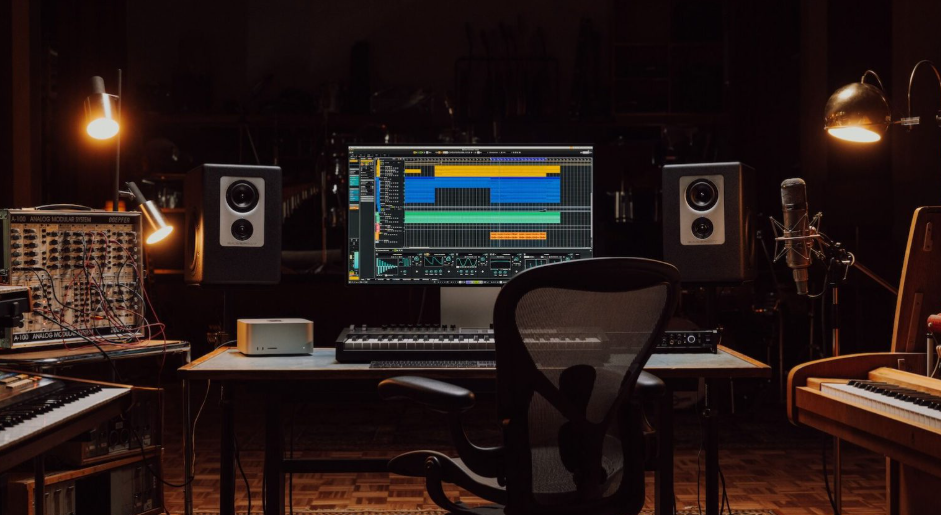

Stepping into the world of digital music production opens up a vast universe of possibilities. With countless digital audio workstations (DAWs), virtual studio technologies, and specialized composition plugins available today, creators are constantly searching for the ultimate workflow enhancement. Among the tools capturing attention in producer communities is Endbugflow. If you have been wondering whether this software deserves a spot in your production suite, this comprehensive breakdown will help you decide if it fits your creative style.
Understanding What Endbugflow Brings to the Table
Modern music creation is no longer confined to traditional multi-track recording studios. Producers work across various genres—from electronic dance music and ambient soundscapes to hip-hop beats and cinematic orchestrations—and each genre demands specific tools.
Endbugflow enters this space as a specialized utility designed to streamline certain aspects of the composition and mixing process. Rather than forcing you to completely abandon your primary DAW, it often functions as a supplementary powerhouse or an alternative workspace for organizing ideas, managing audio routing, or generating unique rhythmic and melodic variations.
Key Functional Pillars
- Streamlined Workspace Interface: A clean layout minimizes clutter, allowing producers to focus on composition rather than hunting through endless sub-menus.
- Workflow Automation: Repetitive tasks like file organization, track routing, and batch processing are handled efficiently.
- Creative Generation Tools: Built-in algorithmic assists help spark inspiration when facing creative blocks.
Comparing Endbugflow with Traditional Production Environments
To understand where Endbugflow shines, it helps to see how it stacks up against conventional audio workstations and specialized plugins.
| Feature / Aspect | Traditional DAWs (e.g., Ableton, Logic, Pro Tools) | Endbugflow Software Approach |
| Primary Focus | Full end-to-end recording, mixing, and mastering. | Idea structuring, workflow optimization, and targeted generation. |
| Learning Curve | Steep; requires mastering extensive keyboard shortcuts and routing logic. | Moderate to gentle; built with accessibility and speed in mind. |
| Resource Efficiency | Can be heavy on CPU, especially with large orchestral or heavy plugin libraries. | Optimized for lighter background processing and swift project navigation. |
| Best Suited For | Comprehensive track completion and multi-microphone tracking. | Rapid sketching, workflow enhancement, and experimental sound design. |
Advantages of Incorporating Endbugflow into Your Studio
Choosing the right software depends heavily on the bottlenecks you face during your creative process. Here are the primary benefits producers experience when integrating this tool:
Should i use endbugflow software for making music
1. Overcoming Creative Blocks
Every creator experiences moments where staring at a blank timeline feels daunting. Endbugflow features algorithmic assistance and randomization parameters that can generate fresh rhythmic patterns, chord progressions, or structural outlines. These features act as a collaborative partner, offering unexpected directions that you might not have thought of on your own.
2. Time-Saving Automation
Time is a producer’s most valuable currency. Spending hours naming tracks, routing buses, or organizing sample libraries can drain creative energy before the actual composition even begins. Endbugflow excels at automating these administrative tasks, letting you jump straight into the fun part of making music.
3. Seamless Integration
A common fear when trying new software is compatibility issues with existing hardware and virtual instruments. Endbugflow is built to play nice with standard audio interface drivers, MIDI controllers, and major plugin formats, ensuring that your current studio setup remains uninterrupted.
Potential Drawbacks and Limitations
No software is a silver bullet for every producer. Before making your final decision, consider these potential limitations:
- Not a Standalone Final Mixing Suite: While excellent for ideation and workflow enhancement, it may not replace a full-scale DAW for meticulous vocal comping, detailed automated mixing, and professional mastering.
- Adaptation Period: Transitioning any part of your established routine into a new environment requires patience. Muscle memory built around your current workflow might initially slow you down before speeding you up.
- Subscription or Licensing Costs: Depending on your budget, evaluating whether the financial investment matches the productivity boost is essential.
Who Benefits the Most from This Tool?
Not every musician creates music the same way. Here is a quick guide to help you identify if your production style aligns with what Endbugflow offers:
- Electronic Music Producers: If you rely heavily on loop-based generation, fast arrangement sketching, and MIDI manipulation, you will find plenty of value here.
- Beatmakers and Hip-Hop Producers: Speed is critical when laying down fresh ideas during a studio session with an artist. The rapid project setup and idea generation tools keep the creative momentum high.
- Sound Designers: Experimenting with unconventional audio structures and rapid variations makes this a fun playground for texture and atmospheric creation.
Making Your Decision: Final Thoughts
Choosing whether to incorporate Endbugflow into your daily routine comes down to evaluating your current creative friction points. If you find yourself bogged down by administrative setup, struggling with arrangement layouts, or frequently searching for a spark of inspiration, this software can be a game-changer.
Take advantage of trial periods if available, test it against your usual workflow, and see how naturally it complements your musical journey. Happy producing!



Comments are closed.
[…] term “thejavasea.me leaks aio-tlp370” has attracted attention among internet users searching for information about online leaks, […]