Streamlining Your Digital Ecosystem: A Comprehensive Guide to Modern Application Synchronization

In today’s fast-paced digital environment, modern professionals, small business owners, and remote teams rarely rely on just a single program to get things done. Instead, everyday operations involve juggling a wide array of specialized tools—from customer relationship management platforms and cloud storage drives to collaborative document editors, email clients, and communication channels. While each tool serves a specific purpose, managing them independently often leads to friction, data silos, and a massive waste of valuable time.
This is where the concept of unified digital synchronization comes into play. By bringing different applications together into a cohesive framework, users can eliminate repetitive manual tasks and ensure that information remains accurate across all devices. Below is a detailed exploration of how modern integration solutions transform digital workflows, enhance productivity, and bridge the gaps between disparate platforms.
The Problem with Fragmented Digital Tools
Operating multiple standalone programs without a unifying thread creates significant operational inefficiencies. When applications fail to communicate with one another, teams frequently run into persistent hurdles that hinder daily progress.
- Duplicate Data Entry: Workers often find themselves manually copying information from an email or form into a database, spreadsheet, or project management board.
- Information Silos: One department might view updated customer records while another department looks at outdated files, leading to miscommunication and errors.
- Constant App Switching: Constantly jumping between dozens of tabs breaks focus, reduces deep-work productivity, and increases mental fatigue.
- Increased Human Error: Manual reporting and data updates leave ample room for mistakes that can take hours to identify and correct.
Adopting a synchronized approach resolves these bottlenecks by establishing automated communication pipelines between separate software utilities. apps and softwares aliensync
Core Features of Modern Synchronized Ecosystems
To understand how unified platforms solve these challenges, it helps to examine the core technical features that drive seamless application coordination.
| Feature | Primary Function | Operational Benefit |
| Real-Time Data Sync | Instantly updates records across connected systems the moment a change occurs. | Eliminates version conflicts and ensures complete data accuracy. |
| Workflow Automation | Triggers automated actions (such as creating tasks or sending alerts) based on predefined rules. | Saves hours of manual administrative work every single day. |
| Cross-Platform Access | Synchronizes files and updates seamlessly across desktops, laptops, and mobile devices. | Allows users to start a task on one device and finish it seamlessly on another. |
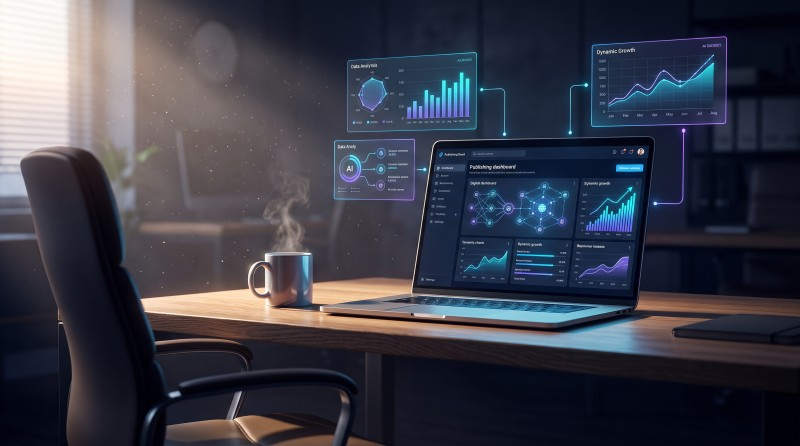
| Centralized Dashboards | Brings disparate utilities—like storage, communication, and social channels—into a single interface. | Dramatically reduces tab fatigue and app-switching overhead. |
Key Components of a Connected Digital Workflow
A truly integrated digital environment encompasses several distinct layers, each tailored to handle specific facets of personal and professional productivity.
Cloud Storage and File Syncing
Managing files locally across multiple gadgets often results in lost documents or outdated versions. Modern cloud integration ensures that whenever a file is modified on a primary workstation, the update propagates instantly to all other linked hardware. This guarantees that remote workers and travelers always have access to the most current documents.
Collaborative Document Editing
Team projects require real-time collaboration tools where multiple contributors can draft text, review spreadsheets, and leave comments simultaneously. Keeping these collaborative docs housed within a unified ecosystem prevents permission issues and streamlines group feedback loops.
Communication and Messaging Hubs
Email clients, direct chat channels, and video meeting tools form the backbone of modern collaboration. When these communication portals connect directly with project trackers and customer databases, teams can discuss tasks right where work is executed, rather than hunting through endless message threads.
Traditional Software Management vs. Synchronized Workflows
Switching from isolated tool management to a streamlined, connected approach changes how individuals and teams allocate their energy.
- Traditional Management: Users operate each application in complete isolation. Data must be transferred manually, workflows are fragmented, and scaling up operations requires hiring more administrative staff to handle repetitive chores.
- Synchronized Approach: Applications share data via secure pathways and automated triggers. Repetitive tasks vanish, information flows freely between departments, and lean teams can manage workloads that traditionally required much larger organizations.
Who Benefits Most from Application Synchronization?
Virtually anyone who spends their day working behind a screen can gain hours of free time by organizing their digital tools more effectively. However, certain groups find these integrated environments especially transformative:
- Remote and Distributed Teams: Teams separated by geography rely heavily on synchronized files, shared documents, and unified communication channels to stay aligned without constant meetings.
- Freelancers and Solopreneurs: Independent professionals managing multiple clients simultaneously use integrated dashboards to keep track of tasks, communication, and file sharing without losing their minds.
- Small Business Owners: Growing enterprises leverage automated workflows to handle lead generation, customer support records, and internal scheduling without investing in heavy enterprise infrastructure.
- Students and Researchers: Organizing notes, references, and collaborative study documents across various gadgets becomes effortless when files update dynamically in the background.
Best Practices for Setting Up Your Connected Ecosystem
Before linking multiple applications together, taking a thoughtful approach ensures your digital workspace remains secure and organized.
- Audit Your Current Tool Stack: List every application you currently use and identify which ones require frequent manual data transfers between them.
- Prioritize Data Security: Always review permission requirements, encryption standards, and privacy policies before granting a third-party tool access to your core data accounts.
- Start Small: Begin by automating one or two repetitive workflows—such as syncing form submissions to your contact database—before expanding into complex multi-app chains.
- Regularly Clean Up Inactive Connections: Periodically review which apps have access to your workspace and revoke permissions for tools you no longer actively use.
Conclusion
The future of digital productivity lies in reducing friction and letting technology handle repetitive communication behind the scenes. By replacing isolated programs with a well-coordinated system of connected applications, you eliminate duplicate data entry, protect your data from version errors, and free up precious hours for high-value work. Embracing this unified mindset is the single most effective step you can take toward a calmer, smarter, and far more efficient digital lifestyle.